
What Is the Wholesale Price of Leather Products in India? A Complete Pricing Guide
Chandan Kumar
Sep 30, 2026 · 6 min read
If you are planning to buy leather bags, wallets or corporate gifts in bulk, the first question is usually: what is the wholesale price of leather products in India? The honest answer is that there is no single fixed price. Prices change with the leather type, design, order size and many other factors. This guide explains what drives wholesale pricing, how to compare quotes properly and how to get a fair rate without compromising quality.
Why There Is No Fixed Wholesale Price
If you browse B2B marketplaces, you will notice that many listings say “price on request”. This is normal in the leather industry, because the final price depends on your exact requirement. Two bags that look similar can have very different costs because of the leather grade, lining, hardware, stitching and finishing used. So instead of asking for one number, it is better to understand what creates the price. That helps you judge whether a quote is fair.
Key Factors That Affect Wholesale Leather Prices
- Type and Grade of Leather: This is the biggest cost factor. Full-grain leather costs more than top-grain or lower grades. Cow, buffalo, goat and sheep leather also differ in price, feel and use. Faux or PU leather is cheaper but is a different product category.
- Product Type and Complexity: A simple cardholder takes less material and labour than a structured handbag with a lining, zips and multiple compartments. More parts and more stitching mean a higher cost.
- Size and Material Usage: Larger products use more leather. Bags and totes cost more than small accessories, and size changes affect both material and labour.
- Hardware and Components: Zips, buckles, clasps, rivets and lining fabric affect the price. Branded or high-quality hardware adds to the cost.
- Finish and Detailing: Hand-painted edges, embossing, special dyes, contrast stitching and special finishes require more time and skill, so they raise the price.
- Order Quantity (MOQ): Larger orders usually bring a lower price per piece, because setup cost is spread across more units. Small or mixed orders often cost more per piece.
- Customisation and Branding: Private labelling, logo embossing, custom colours, custom packaging and new designs can add to the price. Tooling or sample development may also carry a one-time cost.
- Packaging: Simple polybags cost less than branded boxes, dust bags or gift packaging. This matters a lot for corporate gifting.
- Seasonal Demand: Prices and lead times can change during festive and gifting seasons, when factories are busy. Ordering early often helps.
- Location and Shipping: Freight, taxes, duties and delivery distance affect the final landed cost, especially for export orders.
Typical Price Structure of a Bulk Quote
| Cost Element | What It Covers |
|---|---|
| Raw material | Leather, lining, thread, adhesive |
| Hardware | Zips, buckles, clasps, rivets |
| Labour | Cutting, stitching, finishing |
| Branding | Logo embossing, labels, tags |
| Packaging | Boxes, dust bags, cartons |
| Overheads and margin | Factory costs, quality checks, profit |
| Taxes and freight | GST, shipping, export costs where relevant |
Example: How to Think About Your Final Landed Cost
Suppose a supplier quotes ₹X per piece for a wallet. Your real cost per piece is:
Landed cost = Quoted price + packaging + branding + freight + taxes
Selling price = Landed cost + your margin
Always work out the full landed cost before you compare two suppliers. A lower quote that excludes packaging, branding or freight may end up costing more than a higher quote that includes everything.
How to Compare Quotes from Different Suppliers
- Share the same specification with every supplier. Give the same size, leather type, hardware, finish and quantity.
- Ask for a written quote. It should list leather grade, quantity, price per piece, what is included and delivery time.
- Check what is included. Branding, packaging, sampling and freight may be separate.
- Compare samples, not only prices. A low price with poor quality leads to returns and lost customers.
- Look at payment terms. Staged payments are safer than a full advance.
- Check lead time. A cheaper supplier who misses your season can cost you more.
How to Get Better Wholesale Rates
- Order larger quantities or combine styles where the supplier allows it.
- Plan early and avoid peak season rush.
- Keep the design simple if your budget is tight, since fewer components cost less.
- Choose standard colours and finishes instead of fully custom ones.
- Build a long-term relationship. Repeat buyers often get better terms.
- Negotiate on total value, including packaging, sampling and payment terms, not just the unit price.
Beware of Prices That Look Too Good
Very low prices often mean lower-grade leather, thin material, weak stitching, or even synthetic material sold as leather. Warning signs include:
- Prices far below other quotes
- Vague answers about the leather type
- No samples or photos available
- Pressure to pay the full amount in advance
Price Differences by Product Category
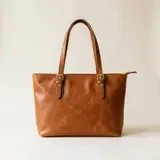
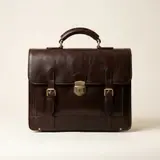
Handbags and Totes: Usually cost more because they use more leather, lining and hardware, and need more labour.
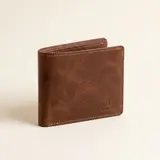
Slim Essentials: Wallets, cardholders and passport covers cost less per piece and are easier to order in volume.
Corporate Gifting: Pricing depends on the product, branding and packaging. Gift sets with custom boxes cost more than single items.
Frequently Asked Questions
What is the wholesale price of leather wallets in India?
It varies by leather type, design, branding and quantity. Ask suppliers for a written quote based on your exact specification.
Why do suppliers say “price on request”?
Because the final price depends on specifications, quantity and customisation, so a single listed price would not be accurate.
Does a higher order quantity reduce the price?
Usually yes. A larger order spreads setup costs across more pieces, which can lower the price per unit.
Are sample charges separate from the bulk price?
Often yes. Some suppliers charge for samples, and may adjust the cost against a confirmed bulk order. Confirm this before you order.
Is the cheapest quote the best choice?
Not always. Compare leather grade, quality, lead time, terms and what is included, not only the price.
How can I check whether a quote is fair?
Compare at least three quotes using the same specification, and check samples before deciding.
Conclusion
The wholesale price of leather products in India depends on the leather type, product design, quantity, customisation and more. Instead of chasing the lowest number, focus on total value: the right material, consistent quality, clear terms and reliable delivery. Compare detailed quotes, check samples and plan your order early to get the best results.
Looking for premium leather handbags, slim essentials or corporate gifting products in bulk? Contact CORRISTA today for catalogues, samples and a custom bulk quote.
Enjoyed this read? Subscribe.
Discover deep-dive tannery metrics, wholesale supply updates, and luxury craftsmanship guides directly from our master workshop in Agra.
Written by Chandan Kumar
Director of Tannery & Leathercraft
Updated
Oct 15, 2026
Related articles

Formal vs. Casual Leather Belts: A Buyer’s Guide to Building the Right Collection

Leather Belt Quality Checklist: What Wholesale Buyers Should Inspect
