
What Are the Different Types of Leather Used in Luxury Products?
Chandan Kumar
Oct 14, 2026 · 7 min read
Not all leather is the same. Two handbags can both be “real leather” and still differ greatly in feel, durability, price and the way they age. For luxury products, the leather decides how an item looks, how it feels in the hand and how long it lasts. This guide explains the types of leather used in luxury products, from grades and animal hides to tanning methods and finishes. It also covers what brands and retailers in the US, UK and other global markets should check when sourcing leather goods from India.
Why the Type of Leather Matters in Luxury Goods
Luxury customers pay for quality they can see and feel. The leather affects:
- Look: Grain, color depth and surface finish
- Feel: Softness, structure and weight
- Durability: How well the product handles daily use
- Aging: Whether it develops a rich patina or simply wears out
- Price and positioning: Premium leather supports a premium brand image
Types of Leather by Grade (Which Part of the Hide)
1. Full-Grain Leather
Full-grain is the top layer of the hide with its natural surface left intact, including small marks and pores. It is strong, breathable and develops a patina over time. Many luxury brands prefer it for its quality and character. Because the surface is natural, small variations are normal and part of its appeal.
2. Top-Grain Leather
Top-grain has the outer surface lightly sanded or buffed to remove imperfections, then finished for a more uniform look. It is slightly thinner and more flexible than full-grain and is widely used in quality handbags, wallets and accessories.
3. Corrected-Grain Leather
The surface is sanded more heavily and an artificial grain pattern is embossed, then coated. This hides flaws and gives a consistent look. It is more affordable and easier to produce in volume, but it has less natural character and breathability.
4. Split Leather
Split leather comes from the lower layers of the hide after the top layer is separated. It is used for suede and for coated or embossed products. It is generally less strong than full-grain or top-grain.
Types of Leather by Animal Hide
- Cowhide and Calfskin: Cowhide is the most widely used leather because it is durable and available in many finishes. Calfskin comes from younger cattle and is finer-grained, smoother and softer, which is why it is popular in premium handbags, wallets and small accessories.
- Lambskin and Sheepskin: Lambskin is very soft, light and supple, suited to delicate bags, gloves and jackets. It is less hard-wearing than cowhide, so it needs a little more care.
- Goatskin: Goatskin has a distinctive pebbled grain and is light yet strong. It is popular in wallets, cardholders and small accessories, and it resists scratches well.
- Buffalo Leather: Buffalo hide is thick and sturdy with a coarser grain. It suits structured bags, belts and rugged accessories.
- Pigskin: Pigskin is durable and breathable and is often used for linings and some accessories.
- Exotic Leathers: Crocodile, alligator, python and ostrich are known for distinctive patterns and high prices. Many are regulated under international wildlife trade rules (CITES). Confirm legal requirements before trading.
Types of Leather by Tanning Method
- Vegetable-Tanned Leather: Tanned with natural tannins from plant materials, this leather is firm, takes a rich patina and ages beautifully. Popular for belts, wallets and premium accessories.
- Chrome-Tanned Leather: The most common method. Faster, produces softer and more flexible leather, and offers a wide range of colors. Widely used in handbags and upholstery.
- Combination-Tanned Leather: Combines both methods to balance softness, strength and appearance.
Types of Leather by Finish
| Finish | Description | Common Use |
|---|---|---|
| Aniline | Dyed with soluble dyes, no heavy surface coating; shows natural grain | High-end bags, wallets |
| Semi-aniline | Light protective coating over dye; balance of look and durability | Premium bags and accessories |
| Pigmented | Colored and protected with a surface coating; consistent and durable | Everyday bags, belts |
| Nubuck | Top-grain sanded to a soft, velvety surface | Bags, shoes |
| Suede | Soft napped surface made from the underside or split | Bags, accessories |
| Patent | High-gloss coated surface | Evening bags, accessories |
| Embossed / textured | Pattern pressed into the surface (such as pebbled or crosshatch) | Handbags, wallets, gifts |
| Nappa | Very soft, smooth leather, often from lamb or calf | Premium bags and linings |
Which Leather for Which Product?
| Product | Popular Leather Choices | Why |
|---|---|---|
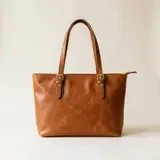
| Luxury handbags | Calfskin, top-grain cowhide, lambskin | Soft feel and refined look |
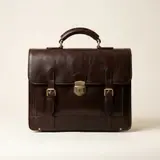
| Totes and structured bags | Full-grain or top-grain cowhide, buffalo | Strength and shape |
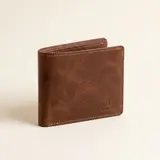
| Wallets and cardholders | Calfskin, goatskin, vegetable-tanned leather | Fine grain and durability |
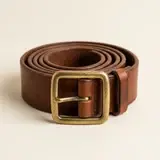
| Belts | Full-grain cowhide, vegetable-tanned | Strength and aging |
| Corporate gifts | Top-grain, semi-aniline, embossed finishes | Look and consistency |
| Linings | Lambskin, pigskin, split leather | Softness and cost control |
Sourcing Luxury Leather Goods from India: What US and UK Buyers Should Check
India has a long leather-working tradition, with established tanning and manufacturing clusters, and many international brands source leather goods from here. If you are a brand, retailer or corporate buyer in the US, UK or another overseas market, check these points before ordering:
- Leather documentation: Get the leather type, grade, finish and tanning method in writing.
- Samples: Ask for physical samples and swatches. Confirm the courier timeline and who pays for sample shipping.
- Compliance for your market: Restricted-substances rules can apply to leather products, such as REACH in the UK and EU and California Proposition 65 in the US. Requirements depend on the product and market.
- Labeling and country of origin: Confirm the labeling and origin-marking rules for your market before production.
- Shipping terms (Incoterms): Agree on terms such as FOB, CIF or DDP in writing, and who handles export documents, freight and customs.
- Import duties and taxes: Check duties, VAT or sales tax with a customs broker so there are no surprises in your landed cost.
- Lead time and time zones: Agree on a written production schedule, and plan for peak seasons. Set regular communication times that suit both time zones.
- Payment terms: Use secure, documented payment terms and avoid paying the full amount upfront.
- Quality control: Agree on inspection and defect limits before production, and consider third-party pre-shipment inspection.
Frequently Asked Questions
What is the best leather for luxury products?
Full-grain and high-quality top-grain leather, especially calfskin, are widely used for luxury goods. The best choice depends on the product and your brand positioning.
What is the difference between full-grain and top-grain leather?
Full-grain keeps the natural surface of the hide, while top-grain has the surface lightly sanded for a more uniform look.
Is calfskin better than cowhide?
Calfskin is finer-grained and softer, so it is often used for premium small goods and handbags. Cowhide is more widely available and very durable.
Which leather is best for wallets?
Calfskin, goatskin and vegetable-tanned leather are popular because of their fine grain and durability.
What is the difference between vegetable-tanned and chrome-tanned leather?
Vegetable-tanned leather uses natural tannins and develops a rich patina, while chrome-tanned leather is softer, quicker to produce and available in more colors.
Can US and UK businesses buy leather goods from India?
Yes, many do. You will need to handle import duties, taxes, compliance and labeling for your market, so work with a customs broker and confirm requirements with your supplier.
What does “genuine leather” mean?
It means real leather, but it often refers to a lower grade. Ask for the exact grade in writing.
Conclusion
The type of leather you choose shapes the quality, price and reputation of your luxury products. Understand the grades, hides, tanning methods and finishes, match them to your product and customers, and always verify samples before bulk orders. If you source from India for the US, UK or other overseas markets, also plan for compliance, labeling, shipping terms and inspection from the start.
Looking for premium leather handbags, slim essentials or corporate gifting products for your brand or business? Contact CORRISTA LIFESTYLE PVT. LTD. today for catalogs, samples and bulk pricing.
Enjoyed this read? Subscribe.
Discover deep-dive tannery metrics, wholesale supply updates, and luxury craftsmanship guides directly from our master workshop in Agra.
Written by Chandan Kumar
Director of Tannery & Leathercraft
Updated
Oct 15, 2026
Related articles

Formal vs. Casual Leather Belts: A Buyer’s Guide to Building the Right Collection

Leather Belt Quality Checklist: What Wholesale Buyers Should Inspect
