Custom Leather Products: MOQ, Pricing and Manufacturing Process
Chandan Kumar
Oct 10, 2026 · 5 min read
Many brands, retailers and corporate buyers want leather products made to their own design, size, colour or logo. This is where custom leather products come in. But before you place an order, you need to understand three things: the minimum order quantity (MOQ), how pricing works, and how the product is actually made. This guide explains all three in simple steps so you can plan your order with confidence.
What Are Custom Leather Products?
Custom leather products are items made to your specification instead of being bought off the shelf. Common types of customisation include:
- Private label: An existing design sold under your brand name
- Logo branding: Embossing, debossing, foil stamping or metal plates with your logo
- Custom colours and materials: Choosing leather type, finish, lining and hardware
- Custom design (OEM): A new product made to your own sketch or technical drawing
- Custom packaging: Branded boxes, dust bags and gift packaging
Understanding MOQ for Custom Leather Products
MOQ (Minimum Order Quantity) is the smallest quantity a supplier will produce for one order. There is no single standard MOQ, because it depends on several things:
- Level of customisation: Simple logo branding on an existing design usually needs a lower MOQ than a fully new design.
- Product type: Small accessories and larger bags may have different minimums.
- Material: Special or imported leathers, custom dyes and unique hardware often raise the MOQ, because materials may have to be sourced in set quantities.
- Colours and variations: Many suppliers apply the MOQ per style and per colour, not for the whole order.
- Supplier setup: Factories, workshops and trading partners work in different ways, so their minimums differ.
Tips for Handling MOQ:
- Ask whether the MOQ applies per style, per colour or per order.
- Start with a simpler customisation (such as logo branding) if you want a lower MOQ.
- Consider fewer colours or variations in your first order.
- Be honest about your expected repeat volumes. Suppliers may be more flexible if they see long-term potential.
How Pricing Works for Custom Leather Products
| Cost Factor | How It Affects Price |
|---|---|
| Leather type and grade | Higher grades and special leathers cost more |
| Design complexity | More panels, pockets and stitching mean more labour |
| Size | Larger products use more material |
| Hardware and lining | Quality or custom hardware raises cost |
| Branding method | Embossing, foil, metal plates and special finishes add cost |
| Order quantity | Larger quantities often lower the price per piece |
| Packaging | Custom boxes and dust bags add cost |
| Sampling and tooling | Development, patterns, dies or moulds may carry a one-time charge |
| Freight and taxes | Add to the final landed cost, especially for exports |
The Custom Leather Manufacturing Process: Step by Step
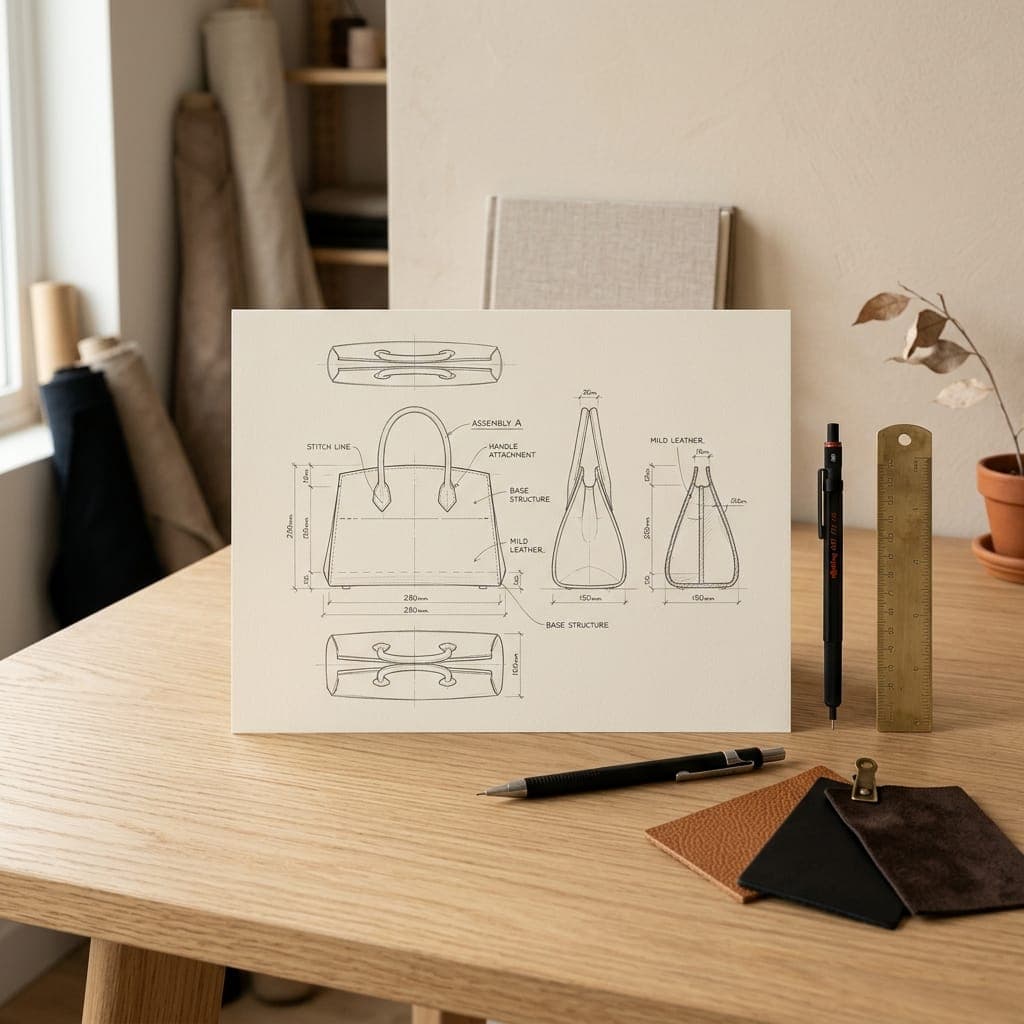
- Step 1: Brief and Specification: You share your requirement: product type, size, leather type, colours, hardware, branding, quantity and target price. A sketch, reference photo or technical drawing helps a lot.
- Step 2: Design and Pattern Making: The supplier converts your idea into patterns and a technical specification covering dimensions, panels, stitching details and hardware placement.
- Step 3: Material Selection: Leather, lining, thread and hardware are chosen based on your specification. You may receive leather swatches to approve colour, texture and finish.
- Step 4: Sampling: A sample is made to check design, fit, feel and finish. Approve the sample in writing before bulk production starts.
- Step 5: Quotation and Order Confirmation: Once the sample is approved, you receive a final quote covering price per piece, quantity, lead time, payment terms and packaging.
- Step 6: Cutting: Leather is carefully cut according to the patterns. Skilled cutting makes sure that the best parts of the hide are used and that grain matches across pieces.
- Step 7: Preparation (Skiving and Edge Work): Leather edges are thinned (skived) where needed so that folds and seams sit neatly, then sealed or burnished.
- Step 8: Stitching and Assembly: Pieces are stitched, glued and assembled with lining and hardware. This stage decides much of the product’s strength and look.
- Step 9: Branding: Your logo is applied using the agreed method (embossing, debossing, foil stamping or a metal plate).
- Step 10: Finishing and Quality Check: The product is cleaned, trimmed and inspected for stitching, edges, colour, hardware and finish. Defective pieces are corrected.
- Step 11: Packing and Dispatch: Products are packed in dust bags, branded boxes and export cartons, followed by shipping and customs clearance.
Typical Production Timeline
The timeline depends on design complexity, sampling rounds, material availability, order size and the season. Many buyers find that development and sampling take as long as, or longer than, bulk production itself. Ask your supplier for a realistic schedule, and plan extra time before festive and gifting seasons.
Frequently Asked Questions
What is the MOQ for custom leather products?
It varies by product, material and level of customisation. Ask your supplier for the MOQ per style and per colour.
Can I get my logo on leather products in small quantities?
Often yes, especially for simple logo branding on existing designs. Confirm the minimum with your supplier.
How much does custom leather product development cost?
It depends on the design, material and number of sample rounds. Ask for a clear breakdown of one-time and per-piece costs.
How long does custom leather manufacturing take?
It depends on the design, sampling, order size and season. Ask for a written timeline and plan ahead.
Do I need a technical drawing?
Not always. A clear sketch or reference photos can be enough, but a detailed drawing helps avoid mistakes.
What is private label?
It means selling an existing product design under your own brand name, usually with your logo and packaging.
Conclusion
Custom leather products give your brand a unique identity, but a smooth order depends on preparation. Understand MOQ, know what drives pricing, follow the manufacturing steps and always approve a sample before bulk production. With clear communication and written agreements, you can build a lasting partnership with your supplier.
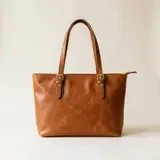
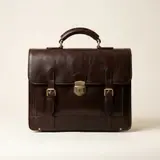
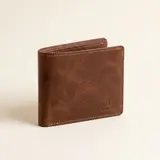
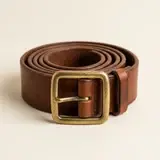
Looking for premium leather handbags, slim essentials or corporate gifting products with custom branding? Contact CORRISTA today for catalogues, samples and bulk pricing.
Enjoyed this read? Subscribe.
Discover deep-dive tannery metrics, wholesale supply updates, and luxury craftsmanship guides directly from our master workshop in Agra.
Written by Chandan Kumar
Director of Tannery & Leathercraft
Updated
Oct 15, 2026
Related articles

Formal vs. Casual Leather Belts: A Buyer’s Guide to Building the Right Collection

Leather Belt Quality Checklist: What Wholesale Buyers Should Inspect
